China's 240-Hour Visa-Free Transit: The Complete Rules For Chongqing Visitors
The 240-hour transit rule is the gate that decides whether a Chongqing stopover happens at all. This is what the National Immigration Administration actually publishes, route by route, with the country list in full.
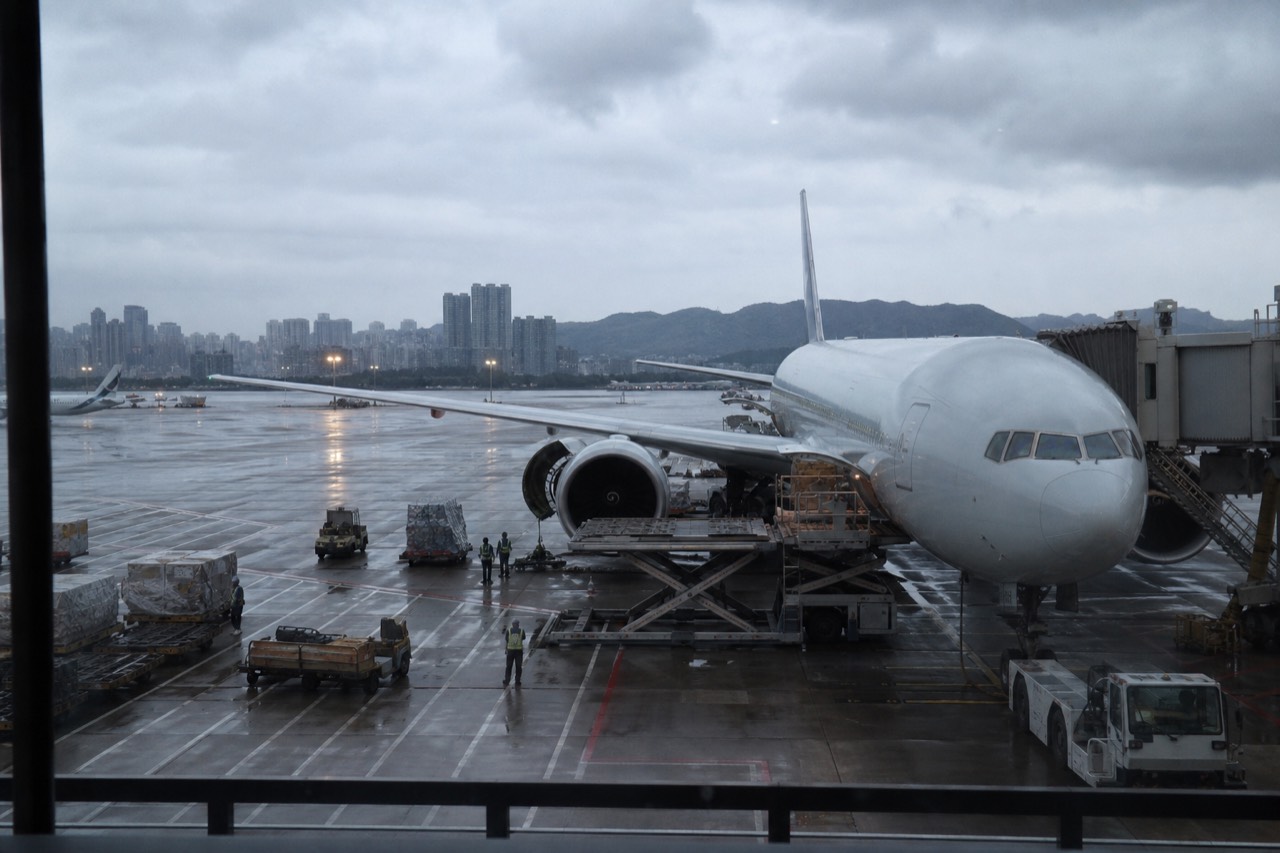
Short answer
Nationals of 57 countries with an onward ticket to a third country can enter China visa-free for up to 10 days through 65 designated ports across 24 provinces, including Chongqing Jiangbei International Airport. Work, study and news reporting still require a visa, and a separate 24-hour rule plus a 30-day unilateral entry list are often confused with it.
China's 240-hour visa-free transit policy is the single document that decides whether a ten-day Chongqing detour is a trip or a paperwork project. The policy is published by the National Immigration Administration, it was updated most recently on 20 August 2026 when Kyrgyzstan and Vietnam joined the eligible list, and it turns on four numbers: fifty-seven countries, sixty-five ports, twenty-four provinces and municipalities, and ten days. Those headline numbers are a starting point; passport, routing and admission conditions still matter, including the evenings you would otherwise spend free along Nanbin Road, where the motorcycle photo and video sessions on this site take place between 18:30 and 22:00.
This guide works from the primary source and nowhere else: the administration's own policy interpretation and its Announcement No. 4 of 2026, both read in full. It also separates the three routes that travellers constantly conflate, because mixing them is how people arrive at Chongqing Jiangbei without the onward ticket the 240-hour route demands, or wrongly assume their nationality is covered when only the transit list, not the unilateral entry list, includes it.
What Exactly Is The 240-Hour Visa-Free Transit Policy?
The 240-hour policy lets nationals of 57 specified countries enter China without a visa for up to ten days, provided they hold an ordinary passport and a confirmed onward ticket to a third country or region, arriving through one of 65 designated ports across 24 provinces, autonomous regions and municipalities. It is a transit rule, not a general entry rule, and every one of its conditions is load-bearing. Drop the onward ticket and the route collapses; arrive at a port outside the designated list and it does not apply; plan a twelfth day and you have overstayed.
The policy interpretation published by the National Immigration Administration sets out the mechanics plainly. The traveller must hold a valid ordinary passport, an onward ticket with a confirmed seat and a confirmed departure date to a third country or region, and must enter through a designated open port. Once inside, movement is permitted within the designated areas of the 24 listed provinces and municipalities, which is broader than many travellers expect: cross-provincial travel is allowed, so a visitor who enters at Chongqing can also move through the other listed provinces rather than being confined to the municipality of entry.
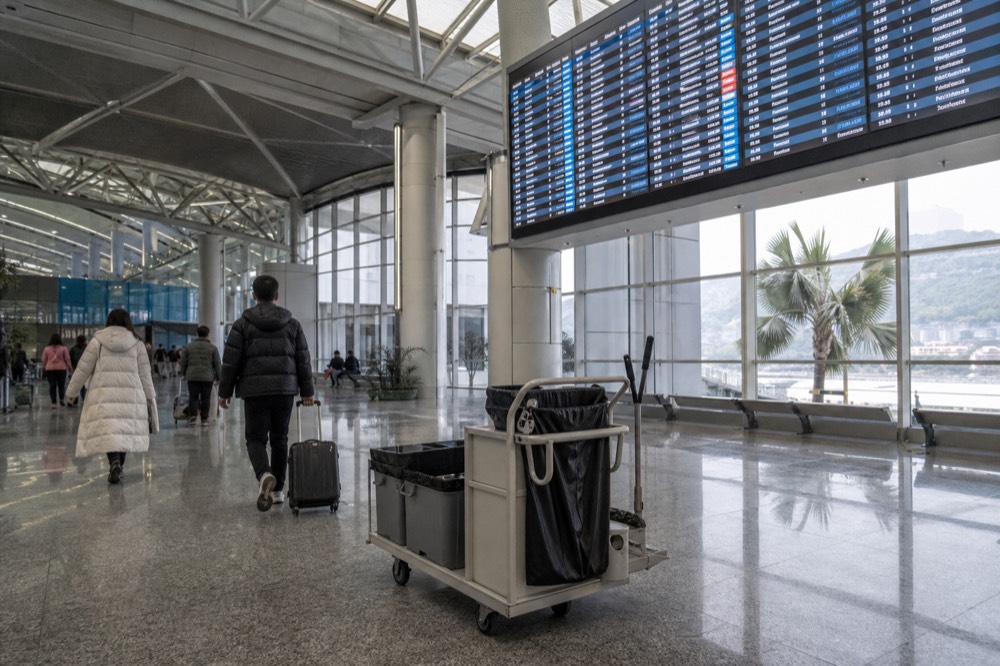
The ten days are counted from the day after entry, which matters for planning. A traveller who clears immigration on a Monday counts Tuesday as day one and the following Thursday as day ten, not ten rolling twenty-four-hour blocks, so an eleventh-day departure flight is an overstay even if the total hours in country would squeak under 240. Border officers apply the calendar, not the stopwatch.
Two final conditions deserve emphasis because they trip people up at the desk. The onward destination must be a third country or region, distinct in the ordinary sense from the point of origin, and the ticket must be confirmed, seat and date included, not a vague intention to buy one later. A booked refundable ticket that satisfies those conditions is a different question, but the paper you show must be a real booking.
What Does A Ten-Day Stopover In Chongqing Actually Buy You?
Ten days is enough to see Chongqing properly and still add a second city, because the policy permits cross-provincial movement within the 24 listed provinces and municipalities, so a single visa-free entry can cover the Yangtze river capital, a Chengdu leg, and the high-speed connections between them. Most travellers never use the full allowance. The realistic patterns are a one-night layover, a three-day city break, or a week that splits time between two provinces, and Chongqing rewards all three.
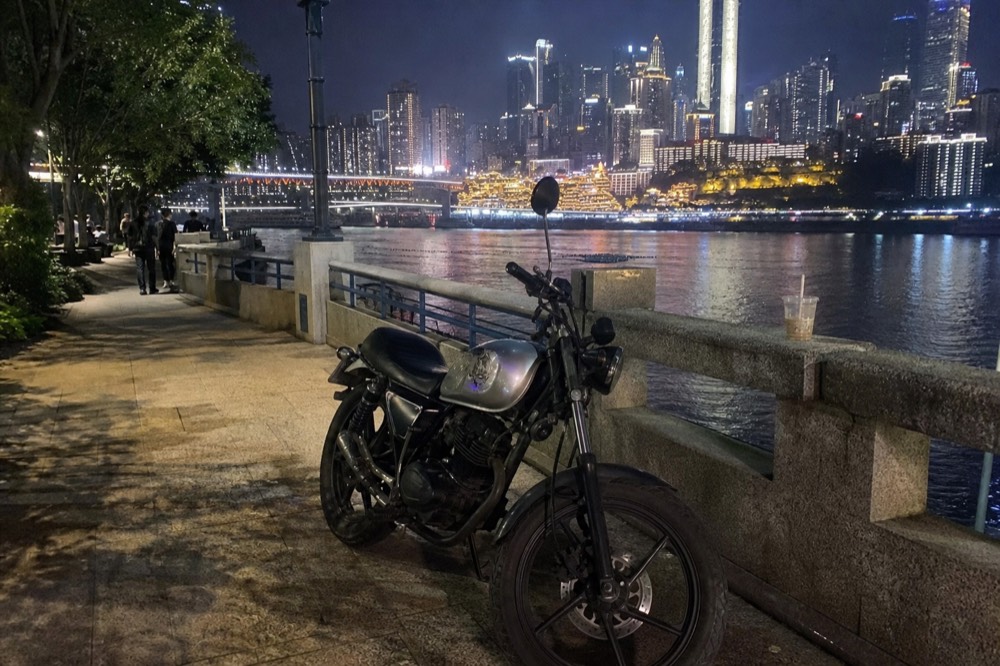
For the short version, a single evening in the city is not a consolation prize. Chongqing's whole photographic identity is nocturnal: the landscape lighting of the Two Rivers and Four Banks core area switches on at 20:00 in summer and 19:30 in winter, the Yuzhong skyline across the Yangtze is the backdrop, and the viral motorcycle photo-and-video sessions on Nanbin Road run 18:30 to 22:00, which can suit a stopover with enough time for immigration, airport transfers, the session and the onward check-in deadline.
That is the honest shape of a stopover evening. If your connection leaves the following day, one free evening is exactly what you have, and the choice is between watching the skyline from a riverside promenade and putting yourself in the frame. The photo package, sold at from about $52.85 per person, is built for the time-poor: fifteen minutes of posed shooting with a parked motorcycle as a prop, no ride at all, all the negatives plus nine retouched photos, delivered by email or WeChat within one to three days, so delivery may follow your onward flight. Allow enough time after the session for airport travel and your airline’s check-in deadline.
A longer allowance changes the arithmetic. With a week to ten days you can pair the city with its surroundings, and our Chongqing itinerary page lays out how the days stack up, from Hongyadong and the Liziba monorail platform to the south-bank viewpoints. Add the practical layer from getting around Chongqing and a base from where to stay in Chongqing, and the transit window stops feeling like a constraint.
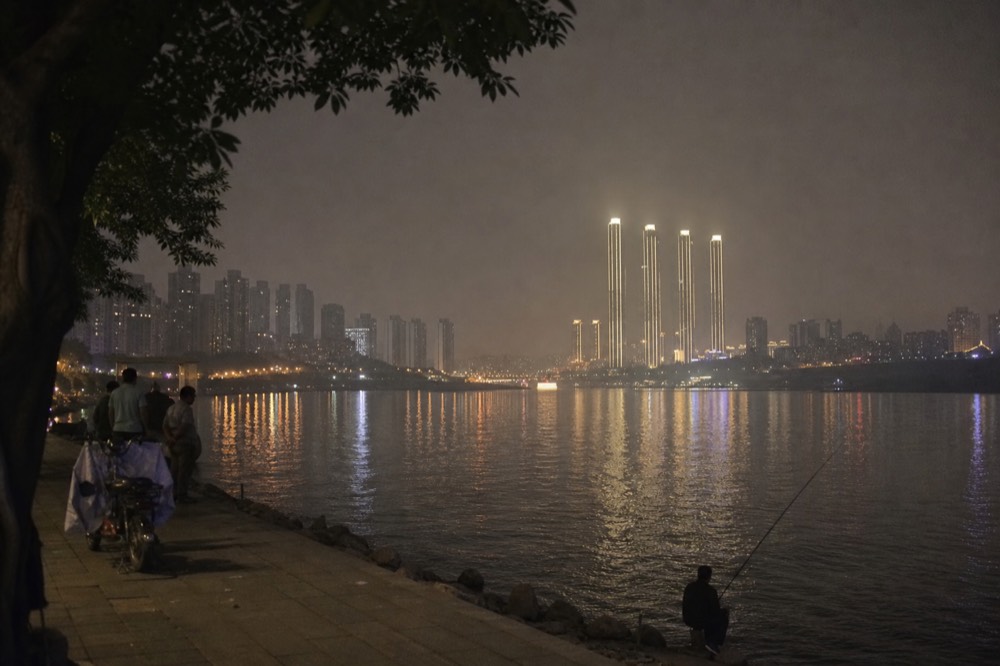
The inflow numbers show how common this has become. Chongqing Jiangbei International Airport's immigration checkpoint handled more than 1.48 million inbound and outbound passengers in the first half of 2026, up 39.5 percent and the fastest growth among China's ten largest airports, and nearly 70,000 foreign travellers entered Chongqing in July 2026 alone, up 84.7 percent. The visa-free routes are a major driver of that curve, and Chongqing is one of the cities feeling it most.
240-Hour Transit, 24-Hour Transit, Or 30-Day Visa-Free Entry: Which One Applies To You?
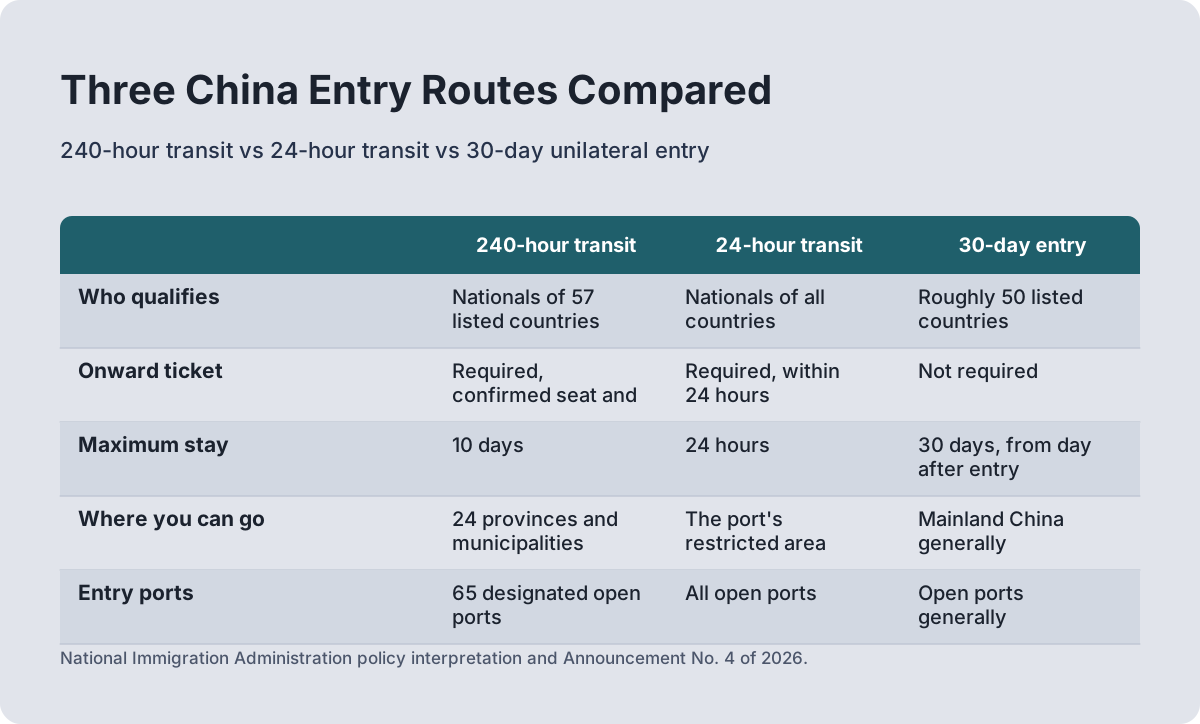
The three routes are separate policies with separate conditions: the 240-hour transit covers 57 nationalities with an onward ticket and allows ten days across 24 provinces; the 24-hour transit covers all nationalities at all open ports but only inside the port's restricted area; and the unilateral 30-day entry covers a different, roughly 50-country list, needs no onward ticket, and allows a full month. Choosing wrongly between them is the most common visa-free planning error.
| Condition | 240-hour transit | 24-hour transit | 30-day unilateral entry |
|---|---|---|---|
| Who qualifies | Nationals of 57 listed countries | Nationals of all countries | Nationals of the listed countries, roughly 50, a list that has moved repeatedly |
| Onward ticket | Required, third country, confirmed seat and date | Required, continuing journey within 24 hours | Not required |
| Maximum stay | 10 days | 24 hours | 30 days, counted from the day after entry |
| Where you can go | Designated areas of 24 provinces and municipalities, cross-provincial travel allowed | The port's restricted area only, unless a temporary entry permit is granted | Mainland China generally |
| Entry ports | 65 designated open ports, Chongqing Jiangbei among them | All open ports | Open ports generally |
| Purpose | Tourism, business, visits and family reunions | Transit only | Tourism, business, visits, exchange or transit |
The 24-hour rule is the narrowest of the three and the one most often overestimated. It applies to every nationality at every open Chinese port, which sounds generous, but the traveller must remain inside the port's restricted area unless they obtain a temporary entry permit. It exists for the genuine tight connection, not for a city tour.
The 30-day unilateral entry list is published separately by the administration and, unlike the transit list, it has expanded and shifted several times over recent years, so the honest instruction is to read the official page rather than rely on any summary, including this one. The two lists overlap heavily but not completely, and nationality-by-nationality the differences matter. The transit list is reproduced in full below precisely because it is the one this page is about; the unilateral list deserves its own check at the source, at the administration's policy interpretation page.
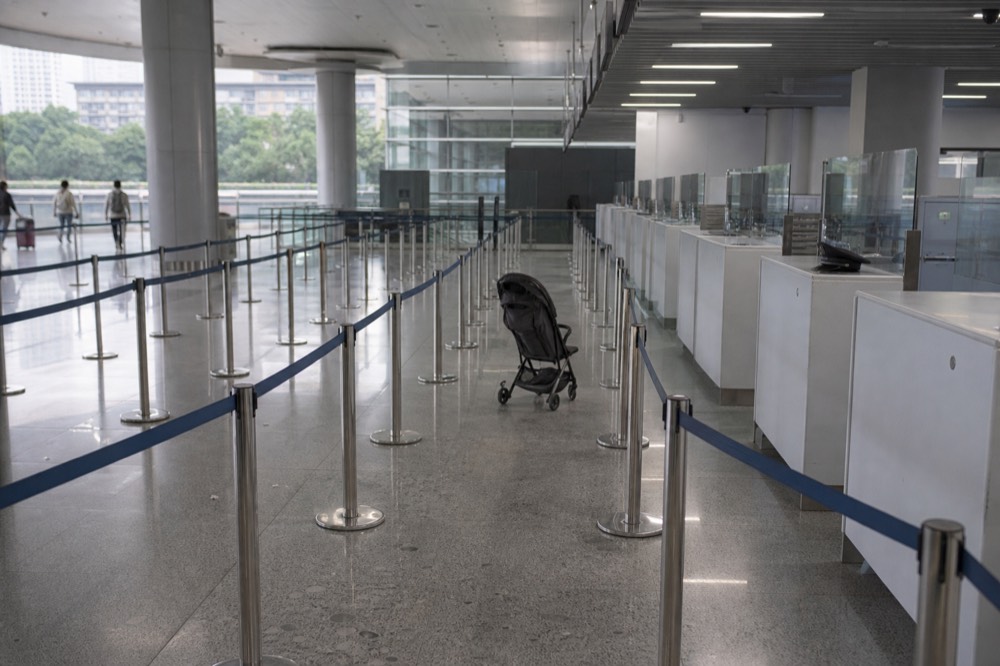
For American readers the picture has one clean fact and one honest caveat. The United States is on the 57-country 240-hour transit list, verified from the published list itself. Whether it appears on the unilateral 30-day list is a different question, and this page deliberately does not assert an answer, because the list has moved repeatedly and the only reliable statement is the official one. Our can Americans visit Chongqing guide carries the nationality-specific detail.
Which 57 Countries Are On The 240-Hour List?
The published list contains 57 countries: 40 in Europe, 2 in North America, 4 in South America, 2 in Oceania and 9 in Asia, and it reached that count when Kyrgyzstan and Vietnam were added, per Announcement No. 4 of 2026. The count and composition come straight from the administration's policy interpretation, and the table below reproduces the list by region exactly as published.
| Region | Countries |
|---|---|
| Europe (40) | Albania, Austria, Belarus, Belgium, Bosnia and Herzegovina, Bulgaria, Croatia, Cyprus, Czech Republic, Denmark, Estonia, Finland, France, Germany, Greece, Hungary, Iceland, Ireland, Italy, Latvia, Lithuania, Luxembourg, Malta, Monaco, Montenegro, Netherlands, North Macedonia, Norway, Poland, Portugal, Romania, Russia, Serbia, Slovakia, Slovenia, Spain, Sweden, Switzerland, Ukraine, United Kingdom |
| North America (2) | Canada, United States |
| South America (4) | Argentina, Brazil, Chile, Mexico |
| Oceania (2) | Australia, New Zealand |
| Asia (9) | Brunei, Indonesia, Japan, Kyrgyzstan, Qatar, Singapore, South Korea, United Arab Emirates, Vietnam |
Notice what the list is not. It is not a list of visa-free countries in general, it is not the same as the unilateral 30-day entry list, and it is not a permanent fixture: the addition of Kyrgyzstan and Vietnam shows the administration revising it, so a nationality that is absent today is worth re-checking before any booking. The announcement adding the two countries is the primary record of the most recent change, and it also raised the separate Hainan 30-day visa-free entry list to 61 countries.
Is Chongqing Jiangbei Airport An Eligible Port?
Yes. Chongqing Jiangbei International Airport is one of the 65 designated open ports through which 240-hour visa-free transit can begin, which means a traveller arriving at CKG from one country and departing to a third can start the ten-day clock on arrival. The airport is the natural gate for a Chongqing stopover, and its immigration checkpoint is the desk where the onward-ticket rule will be tested.
The port detail comes with a caution about how this page handles it. The National Immigration Administration publishes the 65-port list through a page that loads dynamically, so rather than reproduce a list that can silently change, the sound approach is the one the research behind this guide recommends: state that CKG is eligible, and check the official policy interpretation page for the full current list before booking flights. If your routing enters China elsewhere and leaves through Chongqing, or the reverse, both ports need to be designated, not just one.
The airport itself is no afterthought. Chongqing Jiangbei opened on 22 January 1990, sits at an elevation of 416 metres, has four runways with the fourth entering service at the end of 2024, and added Terminal 3B in April 2025, which serves domestic flights while international flights remain at Terminal 3A. Chongqing's airports together handled 51,126,900 passengers in 2025, up 2.4 percent, and the immigration checkpoint's first-half 2026 figure of more than 1.48 million inbound and outbound passengers, up 39.5 percent, marks it as the fastest-growing among China's ten largest airports on that measure.
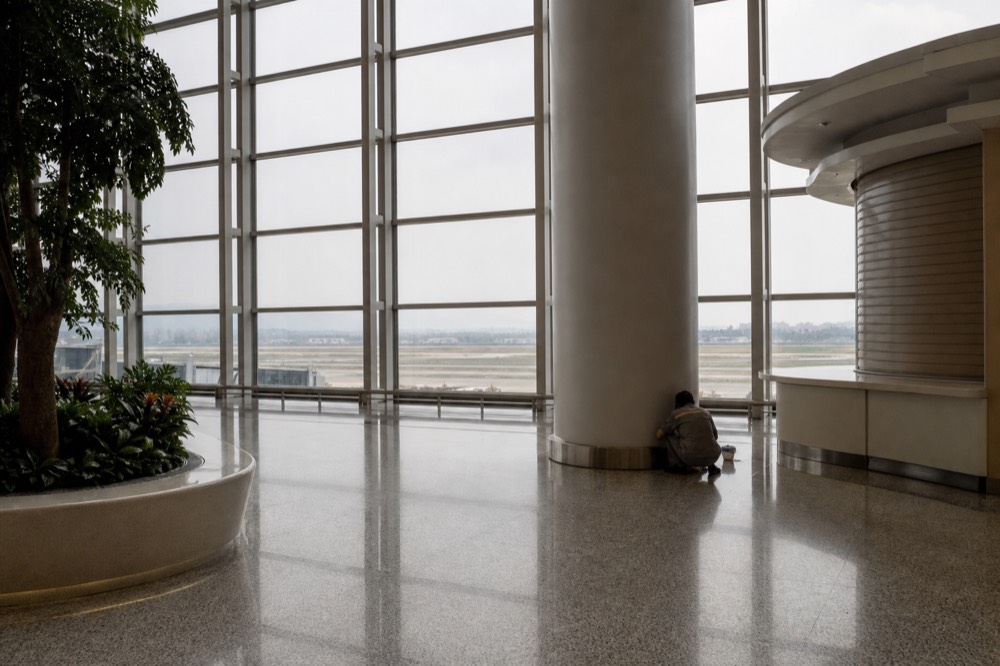
Practically, the international arrivals experience at Terminal 3A is where the transit route begins. Have the onward booking ready to show, expect the officer to check that the destination is a third country or region with a confirmed seat and date, and note that the permitted stay area covers the 24 listed provinces and municipalities, so a Chongqing arrival does not chain you to Chongqing. For the onward ground logistics once you are cleared, the metro runs from the airport into the city, with Terminal 3 served by Line 10 and Terminal 2 by Lines 3 and 10.
What Can You Actually Do On Visa-Free Transit, And What Still Needs A Visa?
Under the 240-hour visa-free transit policy, you can engage in tourism, business meetings, family visits, and similar short-term activities within the permitted region. However, paid work, formal study, and news reporting remain off-limits, so travelers planning any of these must obtain the correct visa before departure rather than relying on transit-free entry. The administration's policy interpretation is explicit on both halves of that sentence, and it is the half travellers most often get wrong: the policy is generous about movement across the 24 provinces and municipalities, and strict about the purpose of the trip, so a permitted activity in the wrong place or a non-permitted activity in the right place each breaks the policy on its own.
| Activity | Permitted visa-free? | Notes |
|---|---|---|
| Sightseeing and tourism | Yes | The core use, including paid tours and photo experiences |
| Business meetings and visits | Yes | As published under permitted activities |
| Visiting family | Yes | Family reunions are listed as permitted |
| Cross-provincial travel within the 24 listed areas | Yes | Broader than many travellers assume |
| Paid employment | No | Requires a work visa |
| Study | No | Requires a student visa |
| News reporting | No | Requires journalist accreditation and the appropriate visa |
The tourism line covers everything this site writes about. A paid photoshoot, a river cruise, a guided walk, a night motorcycle session on Nanbin Road: all of it is tourism, and nothing in the policy distinguishes between free sightseeing and booked experiences. A traveller whose ten days include a commercial engagement should stop and check the visa requirement, because business in the sense of meetings and visits is permitted, but performing work is not.
The ride-based video experience deserves its own word here, because it is the evening many transit travellers build a stopover around. A professional rider takes you as a pillion passenger along the south-bank riverside while a photographer follows, and you get one edited video of 25 to 35 seconds. It is 18 or over, it excludes clothing and makeup, and it is the version of the shoot that puts motion in the frame rather than posed stills. For a visitor with one night in the city, it is the thing worth the evening.
One boundary worth naming plainly: the policy's permitted-activities list is about what you do, and the permitted-area rule is about where you go. Both must hold at once. A permitted activity outside the designated areas, or a non-permitted activity inside them, each breaks the policy in its own way, and neither is cured by the other.
What Must You Be Able To Show At The Border Desk?
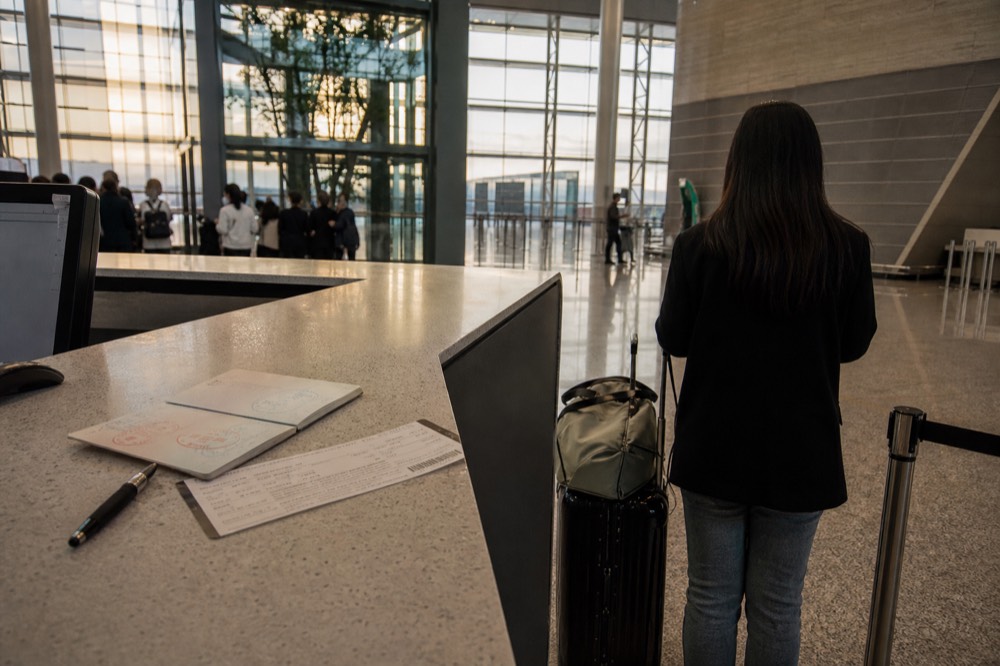
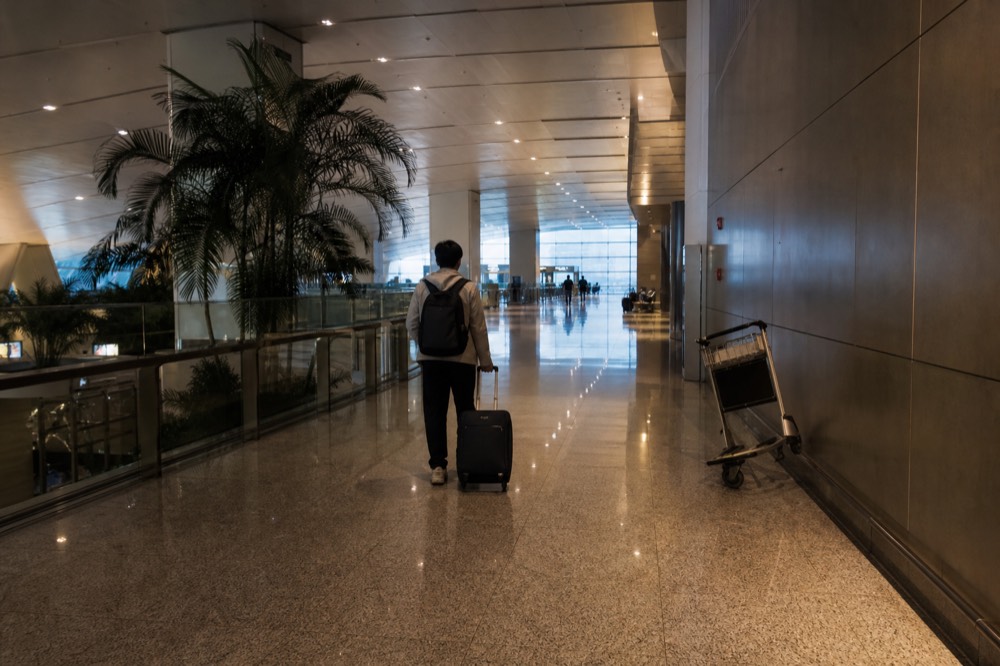
At the desk you need your ordinary passport, an onward ticket to a third country or region with a confirmed seat and confirmed departure date, and an itinerary consistent with a transit of ten days or fewer, plus whatever the airline asked for at check-in. The published conditions are those three, and the officer's questions will orbit them: where are you going next, when, and can you prove it.
| Item | What the rule says | What to have ready |
|---|---|---|
| Passport | Valid ordinary passport | Check validity well beyond your stay |
| Onward ticket | Confirmed seat and departure date to a third country or region | The actual booking, not an intention to buy |
| Point of entry | One of the 65 designated ports | Confirm your arrival airport is on the official list |
| Stay length | Up to 10 days, counted from the day after entry | Departure flight on day ten or earlier |
| Purpose | Tourism, business, visits or family reunions | Bookings consistent with that purpose |
The onward-ticket condition deserves the most preparation because it fails in the most ways. A ticket to the country you came from is not a third country or region in the ordinary reading. A ticket without a confirmed seat, a waitlist position or an unpaid hold, may not satisfy the confirmed-seat requirement. A ticket dated beyond day ten breaks the stay length even with everything else in order. Booking the onward flight before the inbound one, or at least before arrival, removes the whole category of risk.
The airline at check-in is often the stricter gate. Carriers face penalties for boarding passengers who are refused entry, so check-in staff frequently scrutinise visa-free transit documents harder than the immigration desk does. Arrive at the airport with the onward booking, the address of your first night, and a plain explanation of the routing: in from one country, ten days or fewer in China, out to a third.
What Should You Check On The Official Page Before Booking, And Why Is The Port List Not Reproduced Here?
Before booking anything, check three things on the National Immigration Administration's policy page: that your nationality is on the 57-country transit list, that both your entry and exit airports are among the 65 designated ports, and that the activity you are planning is one of the permitted ones. The port list in particular is not reproduced here on purpose, and the reason is the research finding behind this guide: the administration publishes it dynamically, and a static copy would be a snapshot pretending to be a rule.
| Check before booking | Where to check | Why it matters |
|---|---|---|
| Your nationality on the 57-country list | Official policy interpretation page | The list has grown; Kyrgyzstan and Vietnam were the latest additions |
| Entry and exit ports among the 65 designated | Official policy interpretation page | The list loads dynamically and is not reproduced here |
| Onward ticket conditions met | Your booking | Third country, confirmed seat, confirmed date |
| Stay within 10 days from day after entry | Your itinerary | Calendar count, not hours |
| Activity is permitted | Official policy interpretation page | Work, study and news reporting need a visa |
| Whether you qualify for the 30-day route instead | Separate official page on unilateral entry | Different list, no onward ticket required |
There is a deeper honesty point in the port-list decision. A guide that prints a copied list is more readable and less reliable, because the moment the administration adds or removes a port, the copy becomes wrong without anyone noticing. The administration's own page is the single live authority, and linking it while naming the one port most readers of this site care about, Chongqing Jiangbei, gives the reader both the answer and the means to verify it.
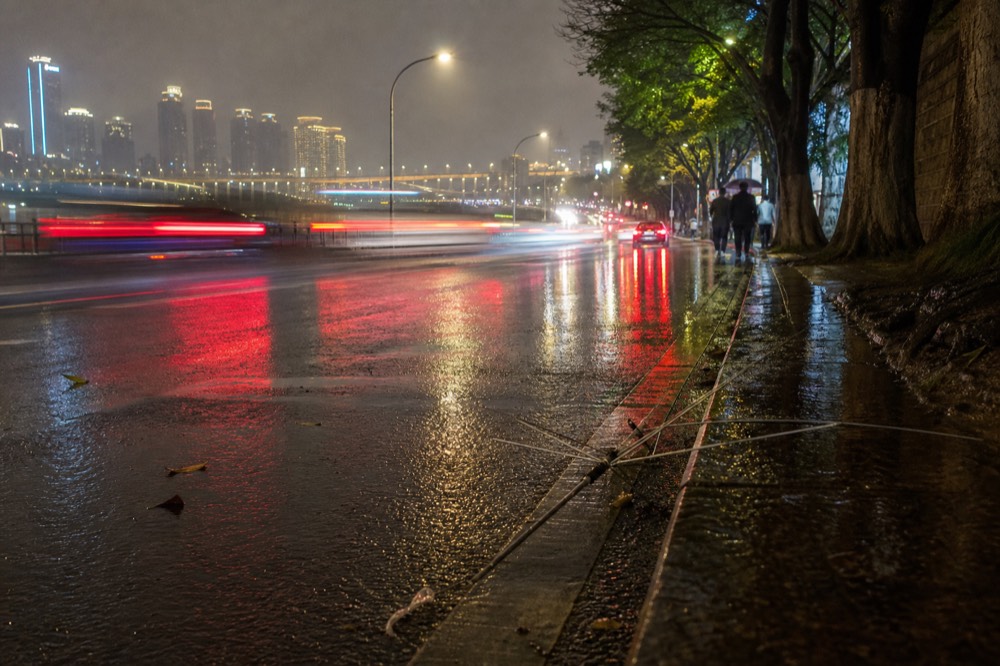
With the paperwork settled, the stopover itself becomes the easy part. Chongqing Motorcycle Photoshoot exists because transit travellers keep landing with exactly one free evening and a list of things they have seen in short vertical videos: the motorcycle shoot on the south bank, the lit skyline across the Yangtze, the monorail through a building. The full night photo-and-video experience meets at the crew-confirmed point near Nanbin Road, runs 18:30 to 22:00, includes a helmet, and delivers files by email or WeChat within one to three days, with free cancellation and no published window for it. Sessions are one person per booking, service language is Chinese with no English-speaking rider guaranteed, and the crew confirms the exact meeting spot after booking.
The broader context, for anyone weighing whether the route is worth the planning: China received its inbound surge partly through channels like this. Chongqing alone recorded 2,147,800 inbound overseas visitors in 2025 spending US$2.398 billion, tourism and related industries added 147.109 billion yuan of value, and the city counts 329 national A-rated scenic areas at the end of 2025. The 240-hour policy is one of the gates that opened to let that happen, and it is generous to exactly the kind of traveller who reads a page like this one.
The short answers below cover the questions travellers ask most about the 240-hour rule: who qualifies, how the ten days are counted, how the policy differs from the 24-hour and 30-day routes, the onward-ticket requirement, and which activities are permitted without a visa. Each answer states what the National Immigration Administration publishes, with the official page linked above for anything that moves, such as country and port lists. If your question is not here, the three-routes comparison table earlier in this guide answers most edge cases at a glance.
Common Questions About China's 240-Hour Visa-Free Transit
What is the 240-hour visa-free transit policy?
It allows nationals of 57 specified countries to enter China without a visa for up to ten days, arriving through one of 65 designated ports across 24 provinces and municipalities, holding an ordinary passport and a confirmed onward ticket to a third country or region. Chongqing Jiangbei International Airport is one of the eligible ports.
Do Americans qualify for China's 240-hour visa-free transit?
Yes. The United States is on the published 57-country transit list. Whether the United States appears on the separate unilateral 30-day entry list is a different question with a list that has moved repeatedly, so check the official National Immigration Administration page for that route rather than relying on a summary.
How is the 240-hour policy different from the 24-hour transit rule?
The 24-hour rule applies to nationals of all countries at all open Chinese ports, but the traveller must remain inside the port's restricted area unless granted a temporary entry permit. The 240-hour policy covers 57 nationalities, requires a designated port and an onward ticket, and permits ten days of travel across the designated areas of 24 provinces and municipalities.
Do I need an onward ticket for the 240-hour transit?
Yes. The onward ticket to a third country or region must have a confirmed seat and a confirmed departure date. This is the single most checked condition at both airline check-in and the immigration desk, and a missing or unconfirmed onward booking is the most common reason a transit entry fails.
How are the ten days counted?
From the day after entry. A traveller who clears immigration on a Monday counts Tuesday as day one, so day ten falls on the following Thursday; follow the departure deadline granted at entry. Border officers apply the calendar count, not a rolling total of hours in the country.
Can I work or study on the 240-hour visa-free transit?
No. Permitted activities are tourism, business, visits and family reunions. Work, study and news reporting are excluded and require the appropriate visa. Paid tours, photoshoots and ordinary sightseeing all fall inside the permitted tourism category.
Choose Your Chongqing Experience
Once your entry route and free day are settled, check the six-hour city tour for your date before arranging separate sightseeing transport.
6 hours · Private sightseeing with an English guide and vehicle. Hotel pickup and drop-off are listed; confirm your selected itinerary.
Compare Experiences And Refine Your Choice
Chongqing: One-Day Extravaganza: Hit All the Must-See Spots!: 6 hours. Private sightseeing with an English guide and vehicle. Hotel pickup and drop-off are listed; confirm your selected itinerary.
Compare Your Trip Totals
Use the same currency and number of people. Include transport and tickets in your independent total; compare it with the total tour quote.
Check your selected option, meeting arrangements and final price on the booking page.
Check Your Chongqing Tour DateOnce your entry route and free day are settled, check the six-hour city tour for your date before arranging separate sightseeing transport.
Check Your Chongqing Tour Date