Can A Foreigner Ride A Motorcycle In China?
The honest answer splits in two: riding yourself is a licensing question, while riding pillion behind a local rider in Chongqing is not. Here is what the rules actually say.
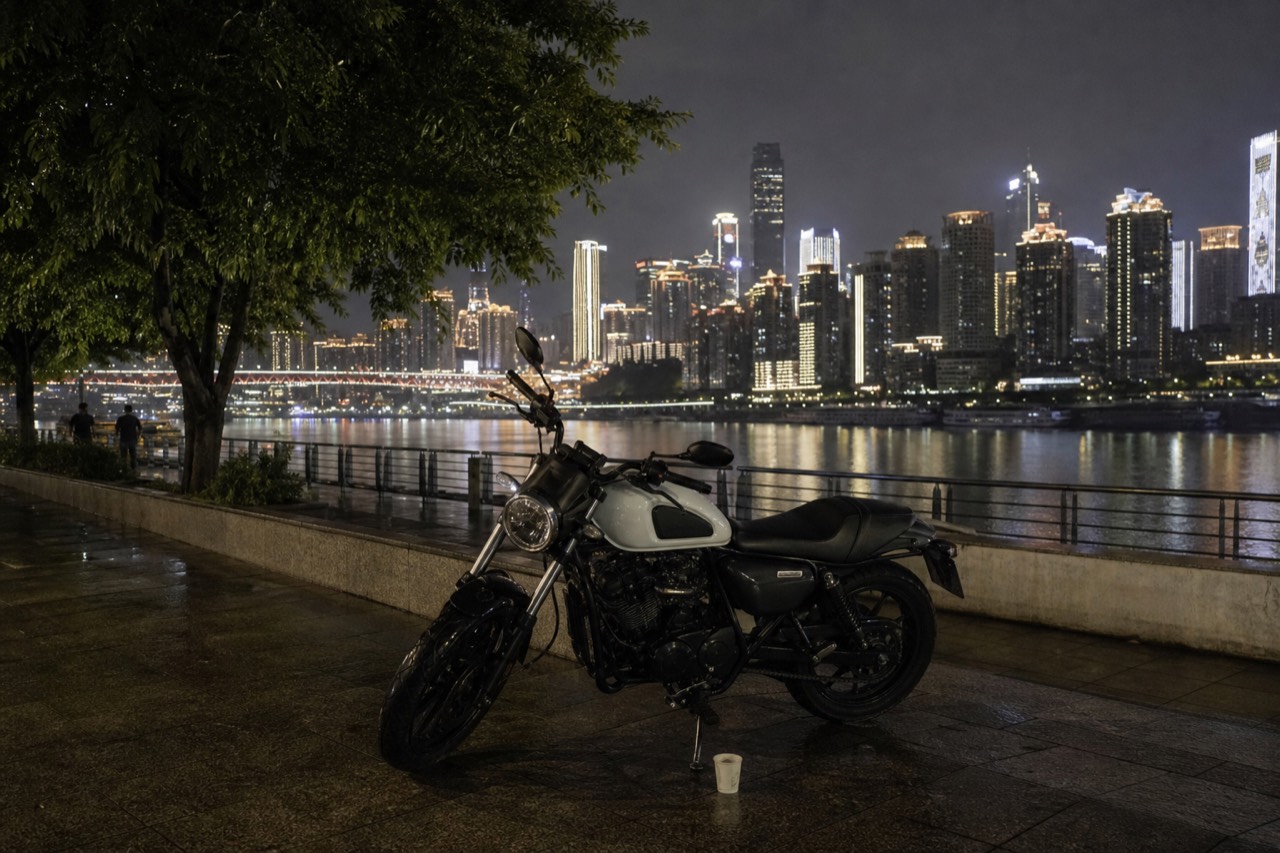
Can A Foreigner Ride A Motorcycle In China?
No, not on your own licence, and an International Driving Permit does not change that, because China does not recognise the IDP for driving. Riding yourself requires a Chinese motorcycle licence, with requirements that depend on the licence and vehicle route. Riding pillion behind a licensed local rider is a different question entirely, and it needs no licence at all.
That split is the whole answer, and it is the objection that quietly kills bookings for the Chongqing motorcycle photoshoot. People read "motorcycle", assume they would be the one steering, remember something about Chinese licences being difficult, and close the tab. The viral videos they have seen on their feeds, more than 1.52 billion views across related clips, almost never show a tourist steering. They show a styled passenger on the back of a bike ridden by a local professional, with a photographer trailing behind on a second machine. That is a pillion ride, and pillion riding is lawful, licensed riding by someone else.
The Chongqing trend, nicknamed the "Landing Visa" by netizens because you land and get your motorcycle video before you do anything else, grew up around exactly this arrangement. If you want the backstory, read what the Chongqing motorcycle trend actually is. This page owns the narrower question: what the law says about a foreigner on a motorcycle in China, which parts of that law are rock solid, which parts this site could only read from one source, and what the distinction means for the two purchasable options on the Nanbin Road corridor.
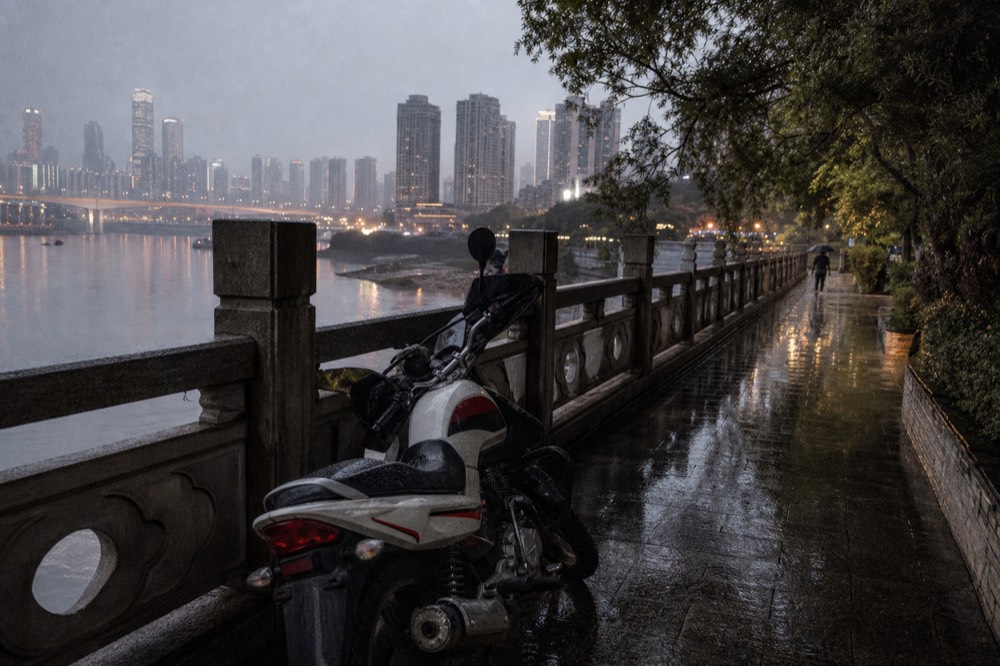
Before the law, one practical framing. China's 240-hour visa-free transit policy now covers nationals of 57 countries entering through 65 designated ports, including Chongqing Jiangbei International Airport, per the National Immigration Administration's policy page. So a ten-day visitor can be standing on Nanbin Road within hours of landing. Whether that visitor can get on a motorcycle, and in which seat, is what follows.
What Does Riding Yourself Actually Require?
Riding yourself requires the appropriate Chinese driving authorisation for the motorcycle and route. China is not a party to the conventions behind the International Driving Permit, so neither your national licence nor an IDP authorises you to drive or ride on Chinese roads. Do not assume a tourist can rent and ride a motorcycle. Confirm the applicable motorcycle authorisation and vehicle rules with the local traffic authority before arranging any self-riding.
That is the licensing wall, and it is why this site never tells a reader they may legally ride. A rental handover does not establish that the rider or motorcycle meets the applicable legal requirements. The confident answer in all of this research is the other seat, and the comparison below is the honest shape of it.
The distinction matters commercially, not just legally. The listing this site covers, the Chongqing Internet-famous Motorcycle Photo & Video Experience, sells two real options that look like tiers of the same thing but are not. The photo package, from about $52.85 per person, gives you 15 minutes of posed shooting with a parked bike as a prop, all the negatives plus 9 retouched photos, and no ride whatsoever. The video package, HK$482, puts you pillion behind a professional rider with a photographer following, and delivers one edited clip of 25 to 35 seconds. One is a photoshoot. The other is a ride. Choosing between them on price alone is exactly how the listing's single 1-star review happened: someone expected the ride and bought the shoot.
| Riding yourself | Riding pillion behind a local rider | |
|---|---|---|
| Licence | Appropriate Chinese motorcycle driving authorisation required; a foreign licence or IDP alone is insufficient | No passenger driving licence; the rider must hold the required authorisation |
| Age floor | Licensing age for the category | 12 or over by the road rules; this listing requires 18 or over for the video package |
| Helmet | Required by law | Required by law; supplied by the operator |
| Who steers | You, on a machine you cannot legally rent without the licence | A professional rider |
| Realistic for a visitor | Confirm the applicable motorcycle authorisation and vehicle rules first | The video package is a pillion experience for adults aged 18 or over |
If the pillion seat is the one you actually want, the decision is simply which package, and the photo-or-video comparison guide breaks that choice down in detail.
Is Riding Pillion Legal Without A Licence?
Yes, riding pillion is not a licensing question for the passenger. The licence obligation sits with the rider, and on this corridor the rider is a local professional. The passenger's obligations are different ones: wear a helmet, be old enough, and sit astride facing forward. This listing sets a minimum age of 18 for the video package; the booking conditions and riding instructions still apply.
That is the paragraph that settles the question most readers arrived with, and it is worth being precise about why. Chinese road law, as this site read it in the implementing regulations of the Road Traffic Safety Law, prohibits carrying a passenger under 12 on a motorcycle's rear seat and bars mopeds from carrying anyone at all. It requires a two-wheeler passenger to sit astride, facing forward. It requires helmets for both rider and passenger. Nothing in any of those lines asks the passenger for a licence, because the passenger is not driving. The seat you occupy changes the legal question completely.
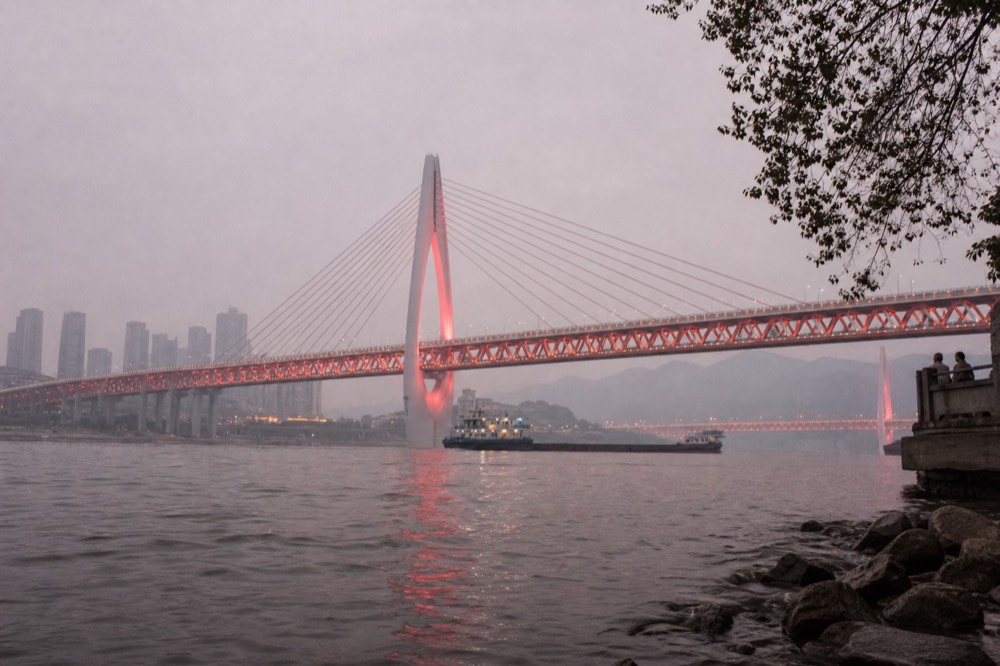
One honest caveat, because this site would rather flag it than smooth it over. The rider conducting the session is a local professional, but the listing's service language is Chinese and no English-speaking rider is guaranteed. If communication matters to you, how English-friendly Chongqing actually is covers what to expect. The crew confirms the exact meeting spot after booking, near Nanbin Road on the south bank, and the session runs 18:30 to 22:00, night only.
What Rules Apply To A Pillion Passenger?
A pillion passenger in China wears a helmet, is at least 12 years old under the general road rules, sits astride facing forward, and rides on roads where motorcycles are permitted at that hour. On this listing: helmet provided, 18 or over, operating window ending at 22:00, and free cancellation with no published window.
The helmet line is the strongest of these. Article 51 of the Road Traffic Safety Law of the People's Republic of China, as this site read it, states that when a motor vehicle is in motion, motorcycle riders and passengers shall wear safety helmets as prescribed. The Ministry of Public Security's "One Helmet, One Belt" campaign, launched in spring 2020, pushed the same requirement. Both of those are single-source reads in this site's research, meaning one consistent source rather than two independent confirmations, so attribute them as "as this site read the law" rather than as legal advice. But the operator supplies the helmet anyway, which makes the point practical rather than academic.
| Rule | What it says | How solid is it |
|---|---|---|
| Helmet | Rider and passenger must wear safety helmets | Single-source read of Article 51; operator supplies helmets regardless |
| Passenger age | No passenger under 12 on a motorcycle rear seat; mopeds carry nobody | Single-source read of the implementing regulations |
| Seating | Passenger must sit astride, facing forward | Single-source read of the implementing regulations |
| Hands-off riding | Rider may not take hands off the handlebars | Statute read by this site; matches the traffic police line on zero tolerance |
| Expressways | Two-wheelers may not carry a passenger on expressways; motorcycles barred from expressways and the Inner Ring | Single-source |
| Nanbin Road hours | Two-wheelers banned 22:00 to 06:00 daily on the restricted stretch | Verified, read directly from the government notice |
The hands-off line matters for anyone copying the viral poses. Those clips show arms outstretched and heart gestures, and Chongqing traffic police have publicly said they have zero tolerance for hands-off riding, handling the photoshoot trend through enforcement and education rather than bans. A passenger posing with their own arms out is a different thing from a rider letting go of the bars, and the statute this site read prohibits the rider's hands leaving the handlebars, not the passenger's. Still, the practical rule on the shoot is simple: the professional crew directs the poses, and you follow their guidance rather than the videos.
The video package involves riding a moving motorcycle on public roads. The verified package details do not establish a riding-speed range; editing and the backdrop can accentuate motion. Files arrive by email or WeChat within 1 to 3 days after the session.
Where Can Motorcycles Actually Ride In Chongqing?
Chongqing, unlike Beijing, Shanghai or Guangzhou, has no city-wide motorcycle ban, which is a large part of why this trend happened here and not somewhere else. What it has instead are targeted restrictions: motorcycles are barred from expressways and the Inner Ring Expressway, and two-wheelers are banned on the Nanbin Road stretch from 22:00 to 06:00 nightly.
That last ban, in force since 29 January 2024 on the stretch between the Lanhua Road and Tengjiang Road junctions, is the single most verified road-law fact in this article, read directly from the Chongqing Municipal People's Government notice. It is also, plainly, why the photoshoot session window ends at 22:00. The corridor the shoot uses, Nanbin Road on the south bank facing the Yuzhong skyline, is the designated corridor the trend grew up on, and the ride has to be off it by the curfew. Whether non-local motorcycle plates face any extra restriction in Chongqing is unresolved in this site's research; nothing was found either way, so nothing is claimed here.
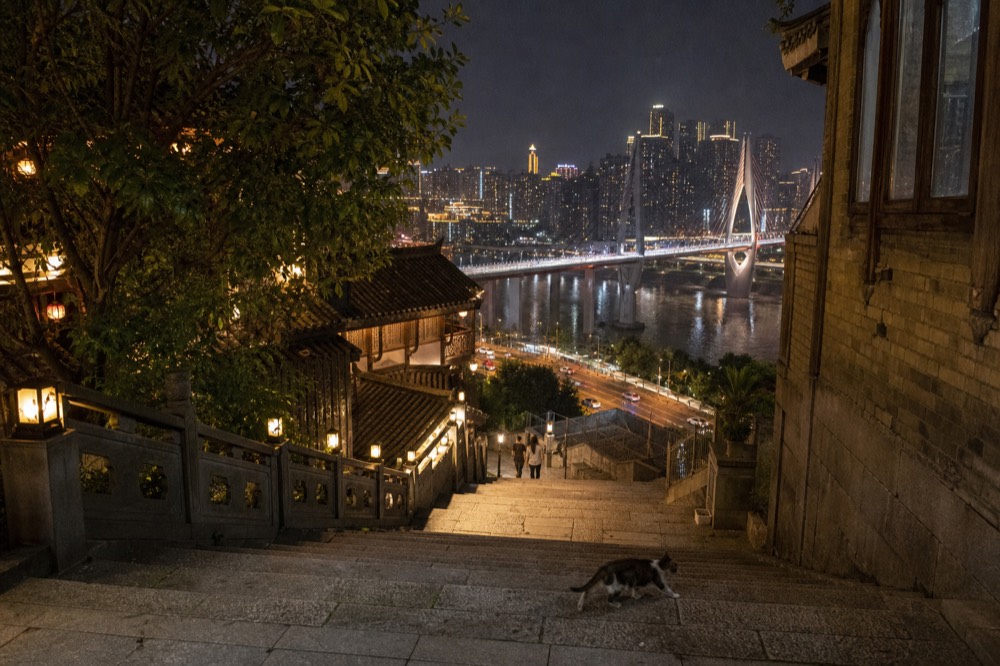
The no-ban point deserves its moment, because it explains the phenomenon geographically. A city that builds 6,473,100 motorcycles a year, up 9.1 percent in 2025 per the municipal statistics communique, with 105 large and extra-large bridges over its two rivers and a layered street network people call 8D, is a city where two-wheelers are woven into daily life. Foreign visitors have noticed: nearly 70,000 foreign travellers entered Chongqing in July 2026 alone, up 84.7 percent, and one rider interviewed in early 2026 said his recent foreign customers outnumbered his Chinese ones. The runway for a motorcycle photoshoot trend existed here before anyone thought to sell one.
How Solid Are These Rules, Really?
Mostly single-source, and this site says so rather than pretending otherwise. The Nanbin Road night ban is fully verified from the government notice itself. Every other road-law line in this article, the helmet article, the passenger age rule, the seating rule, the expressway prohibition, and the no-city-ban comparison, comes from a consistent single read, not double confirmation. None of it is invented, and none of it should be repeated as settled legal advice.
This is an unusual paragraph for a travel site to write, and it is the one this site thinks is most useful. Travel writing about China is full of flat claims about what is legal and what is not, many of them traceable to no Chinese source at all. This site's research file records exactly which lines survived two independent reads and which did not, and the table above carries that grading in plain sight. If you are making a decision that turns on one of these rules, the reference to check is the law itself and the official notices, not a blog, including this one.
| Claim in this article | Status in this site's research |
|---|---|
| Nanbin Road two-wheeler ban, 22:00 to 06:00, since 29 January 2024 | Verified, primary government notice read in full |
| Helmet required for rider and passenger | Single-source read of the Road Traffic Safety Law |
| No passenger under 12; sit astride facing forward | Single-source read of the implementing regulations |
| Motorcycles barred from expressways and the Inner Ring | Single-source |
| Chongqing has no city-wide motorcycle ban | Single-source, the consistent reading of the notices |
| Non-local plate restrictions in Chongqing | Unresolved; nothing found either way, nothing claimed |
| Video package requires 18 or over; photo package has no age limit stated | From the listing data this site covers |
Which Seat Should You Book?
Book the seat you actually want, which usually means the video package if the ride is the point. The photo package at from about $52.85 per person includes no ride at all, the bike is a prop you pose with, and the operator's own listing says so in writing. The video package at HK$482 is the pillion ride with a professional rider and a following photographer, for participants aged 18 or over, with a helmet provided.
The distinction is that clean. If what drew you to this page was the vision of yourself in one of those neon clips, arms out, city streaming past, that is the video package, and the video package requires adults aged 18 or over, with the helmet and crew instructions followed throughout. If what you wanted was striking posed stills with a motorcycle in frame, and a ride would make you nervous, the photo package is the honest buy, and it costs less. What ruins the experience is the mismatch, not either product.
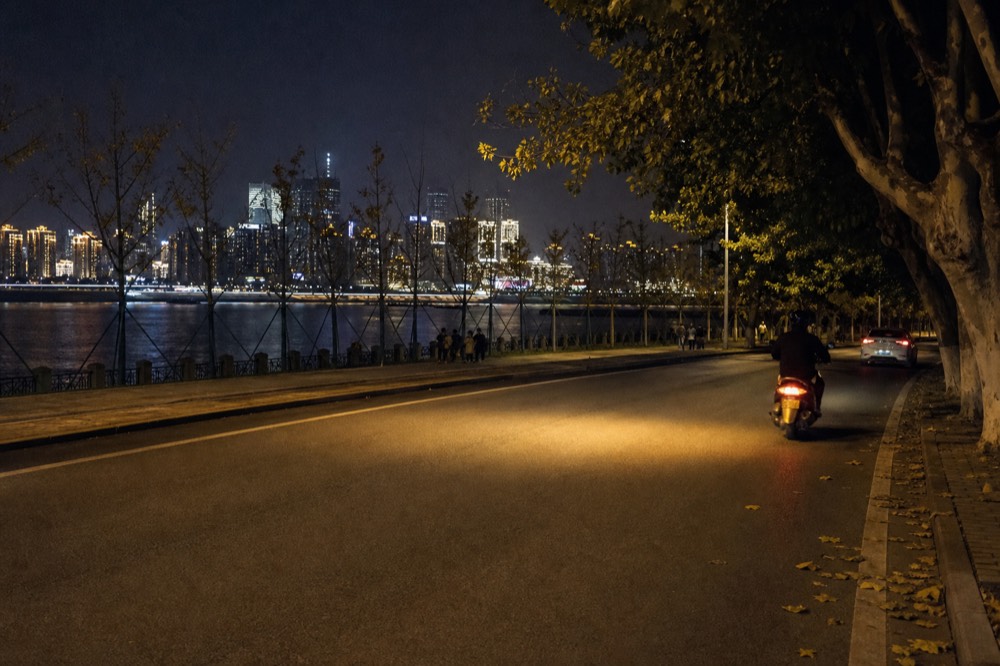
Both are sold per person, single person per booking, meeting at the crew-confirmed point near Nanbin Road on the south bank, with the crew confirming the exact spot after booking. Sessions run evening and night only, 18:30 to 22:00, and cancellation is free, though no cancellation window is published, so check the operator's live listing for the terms that apply on the day you book. For everything else on the page that brought you here, Chongqing Motorcycle Photoshoot keeps the corridor, the packages and the rules in one place, updated as the research file grows.
A foreigner cannot ride a motorcycle in China on a foreign licence or an International Driving Permit, because China recognises neither. A foreigner can absolutely ride pillion behind a licensed local rider, which requires no licence at all, subject to the applicable passenger, road and booking requirements. These are the short answers to the questions readers ask most.
Common Questions About Riding A Motorcycle In China As A Foreigner
Can A Foreigner Ride A Motorcycle In China?
Not on their own licence. Riding yourself requires a Chinese motorcycle licence, and China does not recognise the International Driving Permit. Riding pillion behind a licensed local rider is legal and requires no licence from the passenger, subject to the applicable passenger, road and booking requirements.
Does an International Driving Permit let me ride in China?
No. China is not a party to the conventions behind the IDP, so neither an IDP nor a foreign national motorcycle licence authorises riding on Chinese roads. Self-riding requires the appropriate Chinese driving authorisation for the motorcycle and route; confirm eligibility with the traffic authority before arranging it.
Do I need a licence to be a pillion passenger?
No. The licensing obligation sits with the rider, who on the Nanbin Road photoshoot is a local professional. The passenger's obligations are different: the general road rules set a minimum age of 12, and this listing's video package requires 18 or over.
Is a helmet required for the passenger?
Yes. As this site read Article 51 of the Road Traffic Safety Law, motorcycle riders and passengers shall wear safety helmets as prescribed, and the 2020 One Helmet One Belt campaign reinforced it. The operator supplies the helmet for the session.
Can I copy the poses from the viral videos?
The arms-out and heart-gesture poses are done by the passenger, and the crew directs them during the ride. What the law and the traffic police prohibit is the rider taking hands off the handlebars, not the passenger posing. Follow the crew's action guidance, which is part of the video package.
Why does the operating window end at 22:00?
Two-wheeled motorcycles are banned on the Nanbin Road stretch between the Lanhua Road and Tengjiang Road junctions from 22:00 to 06:00 every day, a restriction in force since January 2024. The shoot corridor has to be clear of bikes by the curfew, so the session window closes at 22:00.
Choose Your Nanbin Road Session
Decided on a pillion video? Check your date for the adult video package before arranging your Nanbin Road evening; still photos are not promised.
Pillion ride with a rider and following photographer; one edited 25–35 second video. Ages 18+. Stills are not promised.
Compare Packages And Refine Your Choice
These packages buy different results. The photo package keeps the bike parked; the video package includes a ride. Clothing and makeup are excluded. The crew confirms the meeting point near Nanbin Road. Service is Chinese; an English-speaking rider is not guaranteed.
Compare Your Quoted Totals
Enter totals for the same number of people in the same currency. The difference buys a different deliverable, not an upgraded version of the same shoot.
Choose your package and date on the booking page; final price and availability are confirmed there.
Check Your Pillion Video DateDecided on a pillion video? Check your date for the adult video package before arranging your Nanbin Road evening; still photos are not promised.
Check Your Nanbin Road Date