Pillion Passenger Safety In China: What The Law And The Road Say
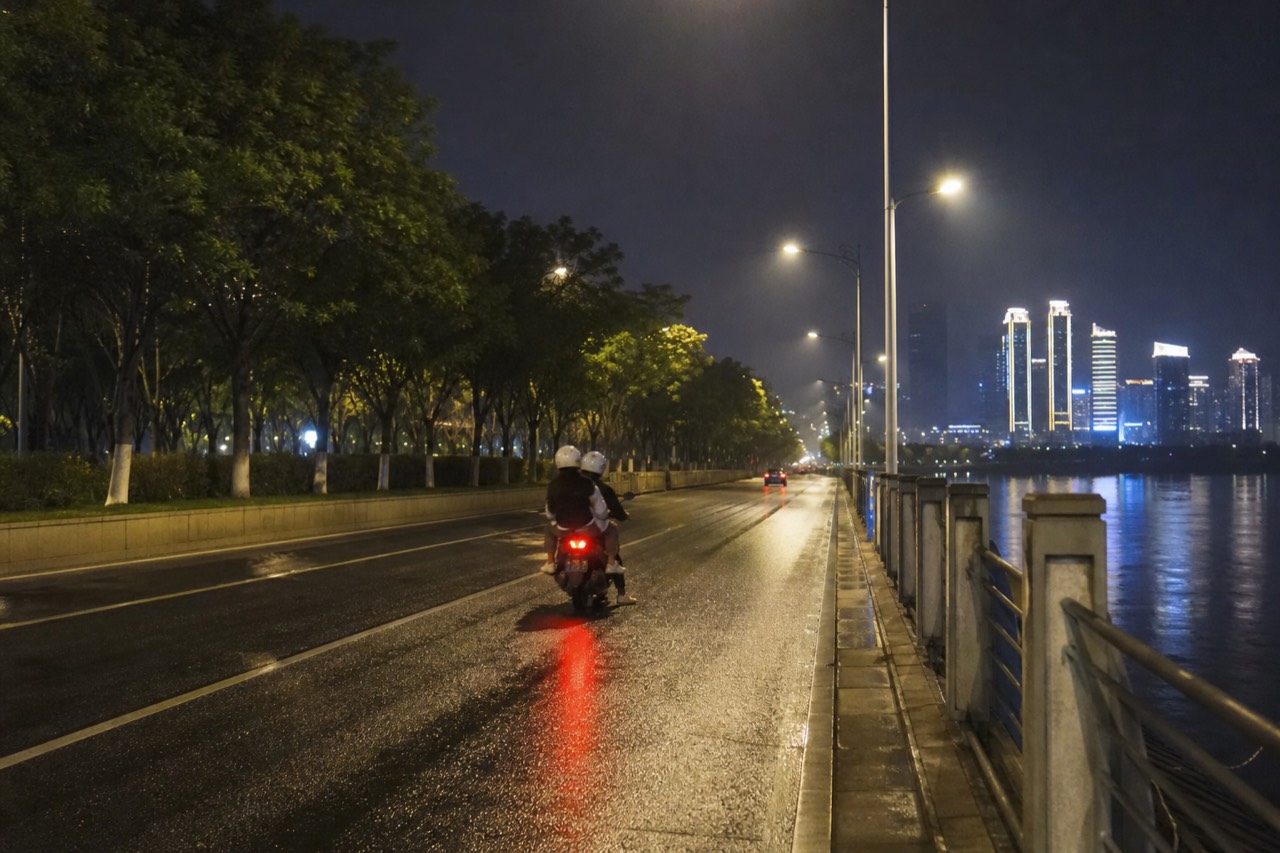
The pillion ride is the part of the Chongqing motorcycle shoot that makes people pause. This article answers the safety question with the law, the numbers and the listing's own fine print, not with reassurance.
Short answer
Chinese law requires helmets for both rider and passenger, bans pillion passengers under 12, and mandates sitting astride facing forward. The shoot operator provides a helmet, operates on city streets and runs only before the 22:00 Nanbin Road two-wheeler curfew. No weight limit or wet-weather policy is published, and the video package requires you to be 18 or over.
The question that stops people at the video package is not the price. It is the ride itself: a pillion seat on a motorcycle at night, on streets you do not know, with a rider you have never met, while a photographer follows on another bike. The short videos look effortless, but the law, the road and the listing each say something different about how safe that seat really is. This guide reads the fine print so you do not have to.
What Are The Legal Requirements For A Pillion Passenger In China?
China's Road Traffic Safety Law requires a motorcycle passenger to wear a helmet, sit astride and face forward, and be at least 12 years old. The rider must keep both hands on the handlebars. These are not operator preferences; they are published statutes that apply to every two-wheeled motorcycle on a public road, including the Nanbin Road corridor where this shoot runs.
The relevant provisions sit in two documents: the Road Traffic Safety Law itself and its implementing regulations. Article 51 of the law states plainly that motorcycle riders and passengers must wear safety helmets. The implementing regulations add the detail: no passenger under 12 on the rear seat (Article 55), the passenger must sit astride facing forward (Article 77), and the rider may not take their hands off the handlebars or hang objects from them (Article 62). The Nanbin Road two-wheeler ban, in force since 29 January 2024, bars motorcycles from the stretch between the Lanhua Road and Tengjiang Road junctions every night from 22:00 to 06:00, which is why the shoot window closes at 22:00.
The listing does not publish a passenger weight limit or height requirement. Those omissions do not establish that every passenger is suitable for this ride. Confirm any individual suitability question with the operator before booking.
| Legal provision | What it requires of the pillion passenger |
|---|---|
| Road Traffic Safety Law, Article 51 | Wear a safety helmet at all times while the motorcycle is in motion |
| Implementing Regulations, Article 55(3) | Be at least 12 years old; no passenger at all on a light motorcycle |
| Implementing Regulations, Article 77(5) | Sit astride, facing forward, not side-saddle or leaning back |
| Implementing Regulations, Article 62(6) | The rider must keep both hands on the handlebars (passenger must not cause them to let go) |
| Nan'an District traffic notice, 29 January 2024 | No two-wheeled motorcycles on the shoot stretch of Nanbin Road from 22:00 to 06:00 |
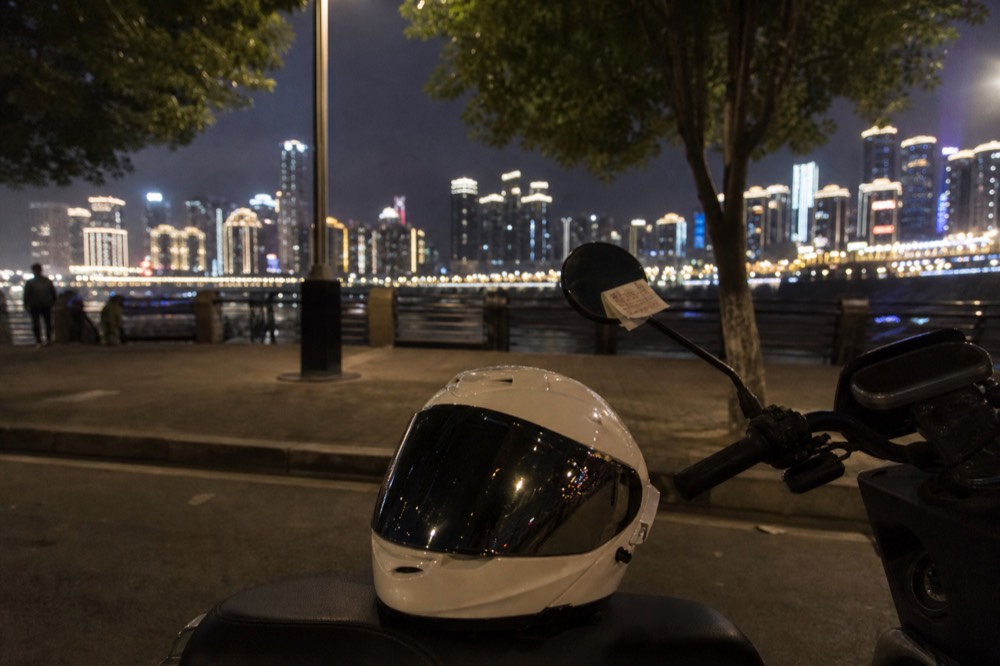
The Nanbin Road restriction sets a time boundary for motorcycle traffic on the specified stretch. Staying within that window does not establish the safety of an individual ride.
The listing states that a helmet is provided, but does not specify its type, certification or fit range. Ask the operator to confirm those details before booking.
What Safety Gear Does The Motorcycle Shoot Provide?
The listing states that a helmet is provided for the passenger, and the crew confirms the meeting point after booking. No other protective gear is promised: no jacket, no gloves, no knee or elbow pads, no back protector. The rider wears full gear in the listing photos, but the passenger's clothing is the passenger's own responsibility.
Clothing and makeup are excluded from the package. Do not assume that the styled outfits in viral videos are supplied by this operator or that costume clothing is protective equipment.
A separate guide on this site, what to wear for a Chongqing motorcycle shoot, walks through the practical choices: closed shoes, long trousers, a jacket that will not flap, and nothing loose that could catch the wind or the wheel. None of that is a legal requirement, but all of it is common sense at city speed.
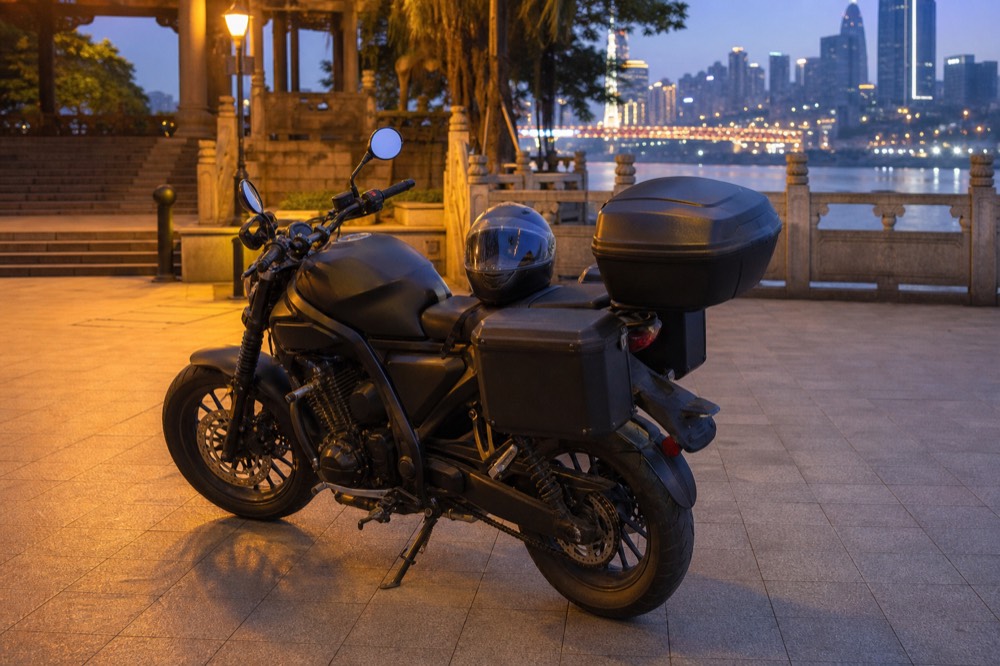
The listing's own safety briefing is mentioned in two guest reviews, which describe the rider checking that the passenger was comfortable and explaining how to hold on before the bike moved. That is not a published policy, and it is not guaranteed, but it is what past guests report. The crew communicates in Chinese, and the listing does not promise an English-speaking rider, so if you want the briefing in a language you understand, confirm that before you book.
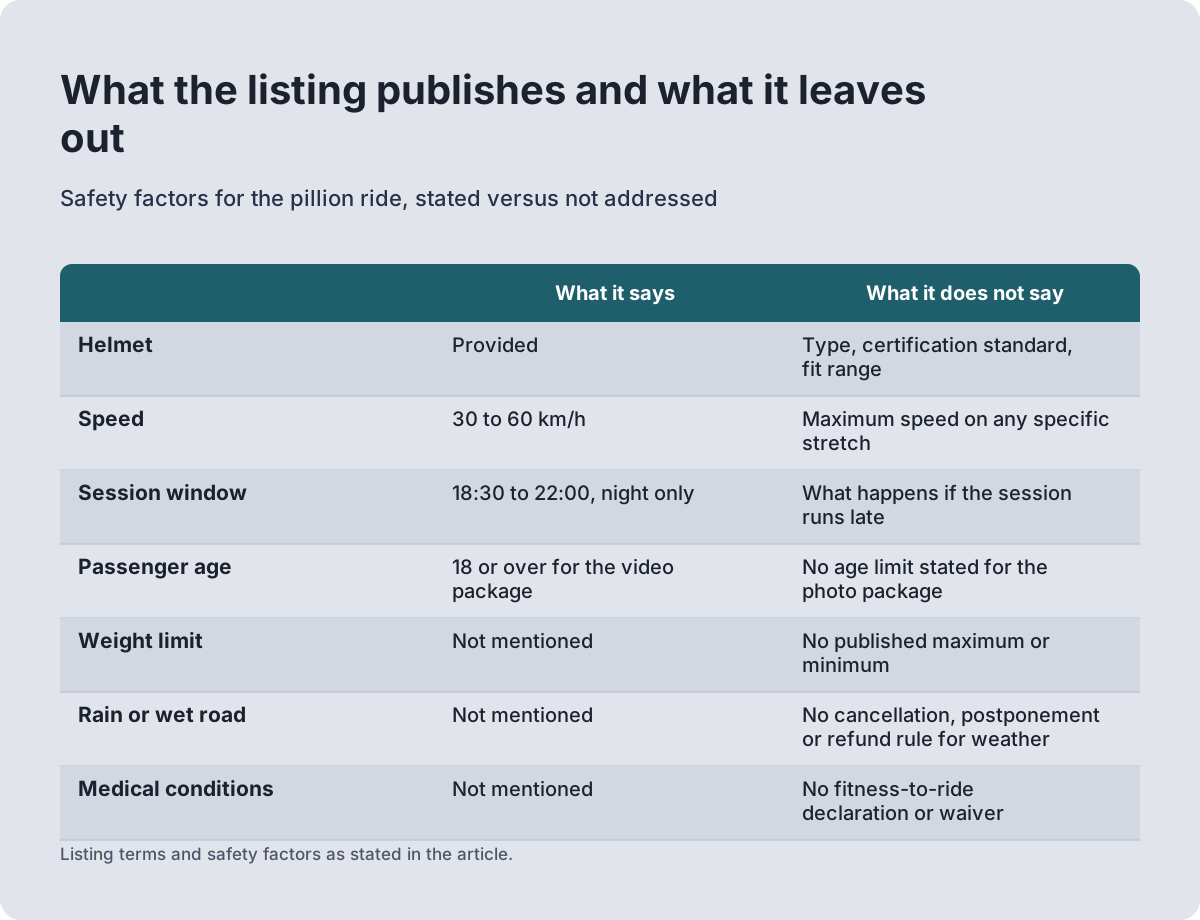
What Does The Listing Provide, And What Does It Not Say About Safety?
The listing publishes a helmet and an 18:30 to 22:00 operating window; the verified package details do not establish a riding-speed range. It does not state a passenger weight limit, wet-weather policy or medical-fitness requirements. These are questions to resolve before booking, rather than evidence of suitability.
The video package is restricted to participants aged 18 or over. The photo package uses a parked bike and states no age limit, but that is not a promise that every child can participate. Confirm a younger participant’s arrangements with the operator before booking.
No passenger weight limit is published. Ask the operator about suitability before paying if you need a specific weight, height or mobility requirement confirmed.
| Safety factor | What the listing says | What the listing does not say |
|---|---|---|
| Helmet | Provided | Type, certification standard, fit range |
| Speed | No range established by the verified package details | Route and riding conditions for your booking |
| Session window | 18:30 to 22:00, night only | What happens if the session runs late |
| Passenger age | 18 or over for the video package | No age limit stated for the photo package |
| Weight limit | Not mentioned | No published maximum or minimum |
| Rain or wet road | Not mentioned | No cancellation, postponement or refund rule for weather |
| Medical conditions | Not mentioned | No fitness-to-ride declaration or waiver described |
The listing offers free cancellation, but the evidence reviewed here does not establish the deadline or a separate rain policy. Check the terms for your selected booking and ask how the operator handles bad weather before paying.
The photo package is the option that removes the ride from the equation entirely. You pose with a parked motorcycle, you get all the negatives plus nine retouched photos, and you are never on a moving bike. The operator's own description is explicit: "this package only provides static photo shooting services and does not include a motorcycle riding experience." If the pillion seat is the part you cannot get comfortable with, the photo package gives you the backdrop and the bike without the road. For a full side-by-side comparison, read our guide to the photo and video packages.
What Speed Do These Rides Actually Reach?
The verified package details do not establish a riding-speed range or how safe a particular ride will be. The video package includes a professional rider and a following photographer.
The published speed range does not tell you the traffic, road-surface conditions or other circumstances of your session. A provided helmet does not remove the risks of a motorcycle ride.
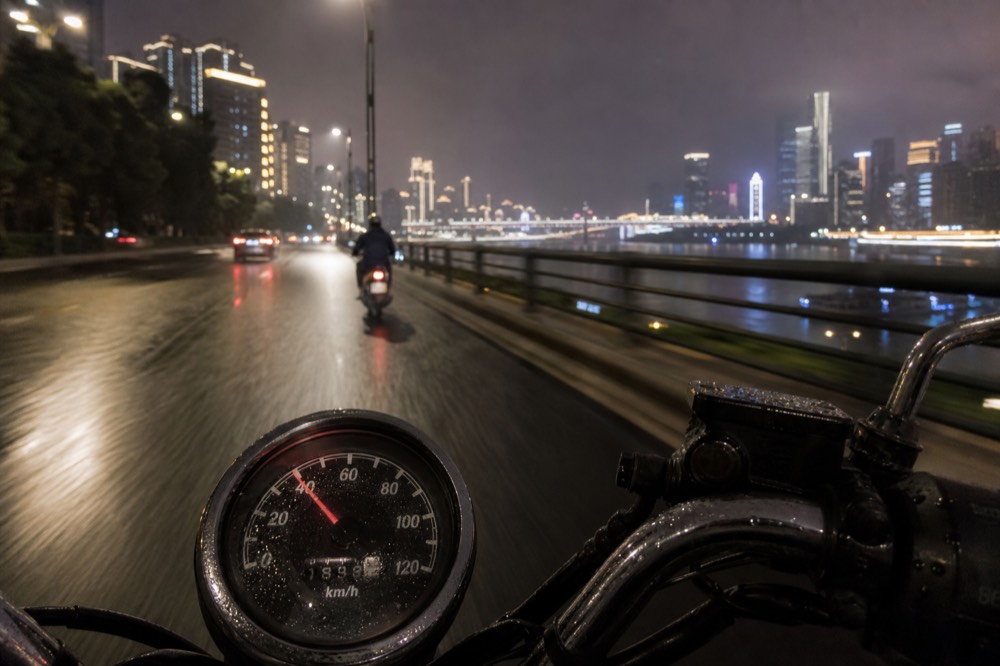
The following photographer is part of how the clip is made. The listing does not establish that the photographer’s presence, the bikes’ spacing or the filming formation reduces the risk of the ride.
The video package is the one that puts you on the pillion seat, with a professional rider and a following photographer. You get one edited clip, 25 to 35 seconds, with action guidance during the ride. Stills are not promised, though two reviewers were sent photos anyway, so the honest wording is "not promised", never "never given". The age floor is 18, and the price sits about 16 percent above the photo package.
How Safe Are The Roads In Chongqing Compared To Elsewhere?
China's official road-traffic figures for 2024 record 59,280 deaths across the country. The World Health Organization's modelled estimate for 2021 puts China's road death rate at 17.4 per 100,000 population, against 14.2 for the United States. These are national aggregates, not city-level figures, and no authority publishes a crash rate for Chongqing or for Nanbin Road.
The two numbers measure different things. The WHO figure is a modelled estimate that adjusts for under-reporting; the Chinese official figure is a count of reported fatalities. They are not contradictory, and they must never be presented as though one debunks the other. The honest comparison is the rate pair: 17.4 against 14.2, same source, same year, same method. That puts China's road risk about 23 percent above the United States' at the national level, without saying anything about a specific street or a specific rider.
| Source | Measure | Figure | Year |
|---|---|---|---|
| National Bureau of Statistics, China | Reported road traffic deaths | 59,280 | 2024 |
| WHO Global Health Observatory | Modelled road traffic death rate, China | 17.4 per 100,000 | 2021 |
| WHO Global Health Observatory | Modelled road traffic death rate, United States | 14.2 per 100,000 | 2021 |
| Chongqing Municipal Bureau of Statistics | City-level crash rate | Not published | Not published |
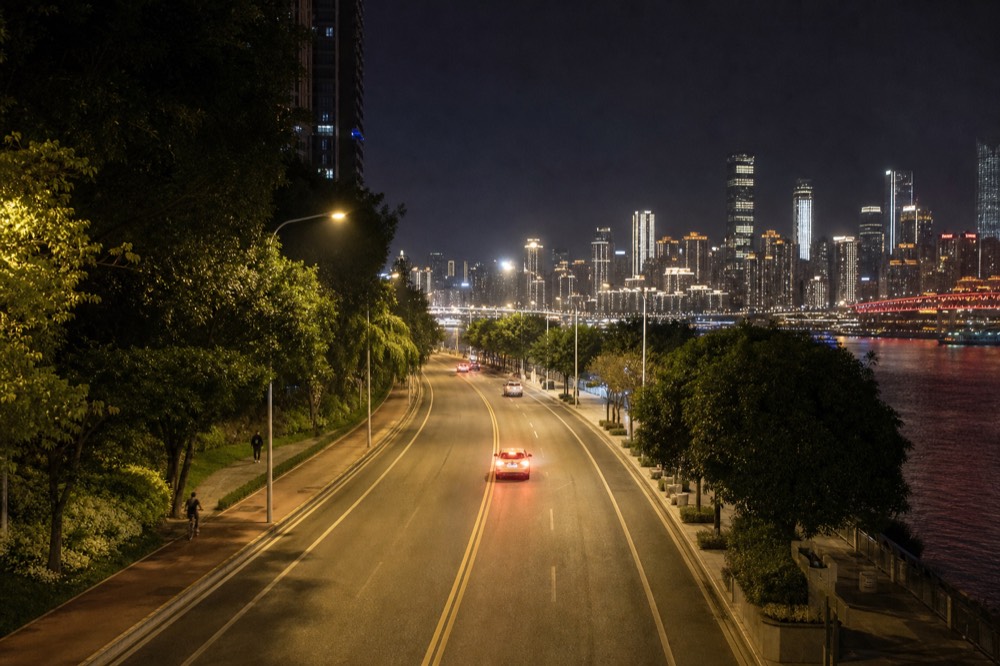
The scale of Chongqing’s motorcycle industry and the popularity of filming on Nanbin Road do not establish a safety record for this operator or this route.
The FCDO’s China travel advice identifies road accidents as a concern. That national guidance does not assess this operator, and it cannot establish the risk of this particular session.
What Do Past Guests Say About Safety?
The listing currently has 15 reviews. A small review sample does not establish a safety record, even when guests describe feeling comfortable. Read recent comments for practical experience, without treating ratings or the absence of a reported incident as proof of safety.
The reported one-star complaint concerns a buyer expecting a ride from the static photo package. It reinforces the need to choose the correct format; it does not answer the safety question.
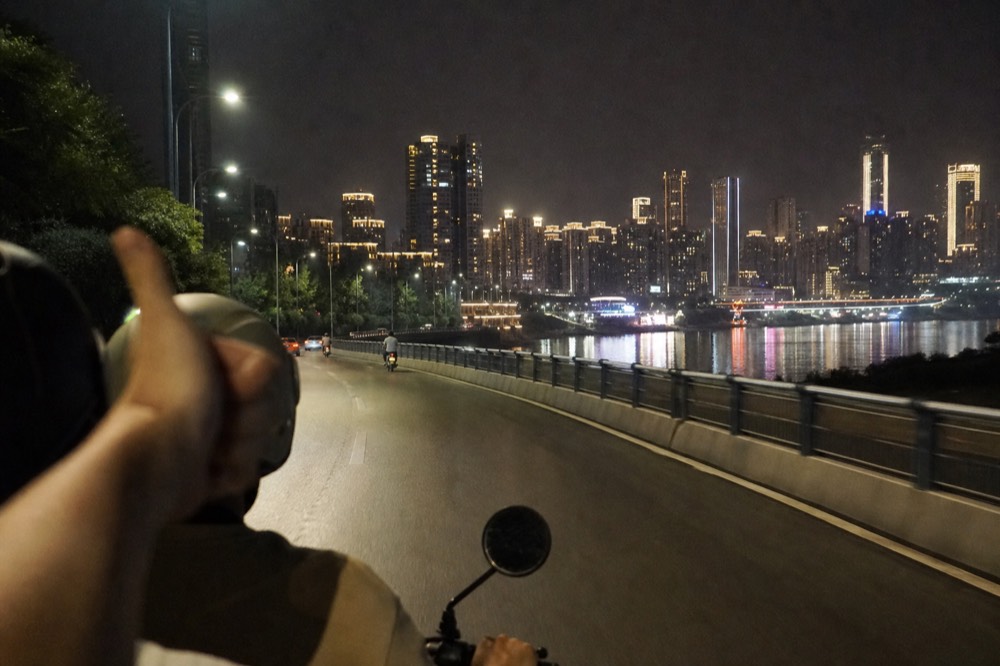
Views of the wider trend and the number of sessions filmed on Nanbin Road are not a substitute for evidence about this operator’s safety practices.
What Happens If It Rains?
The published inclusions do not state a wet-weather policy. Free cancellation is advertised, but the applicable deadline and any weather-specific terms must be checked for your selected booking.
Check the forecast and ask the operator about its wet-weather arrangements before the session. The available listing does not specify the conditions under which the ride is postponed or cancelled.
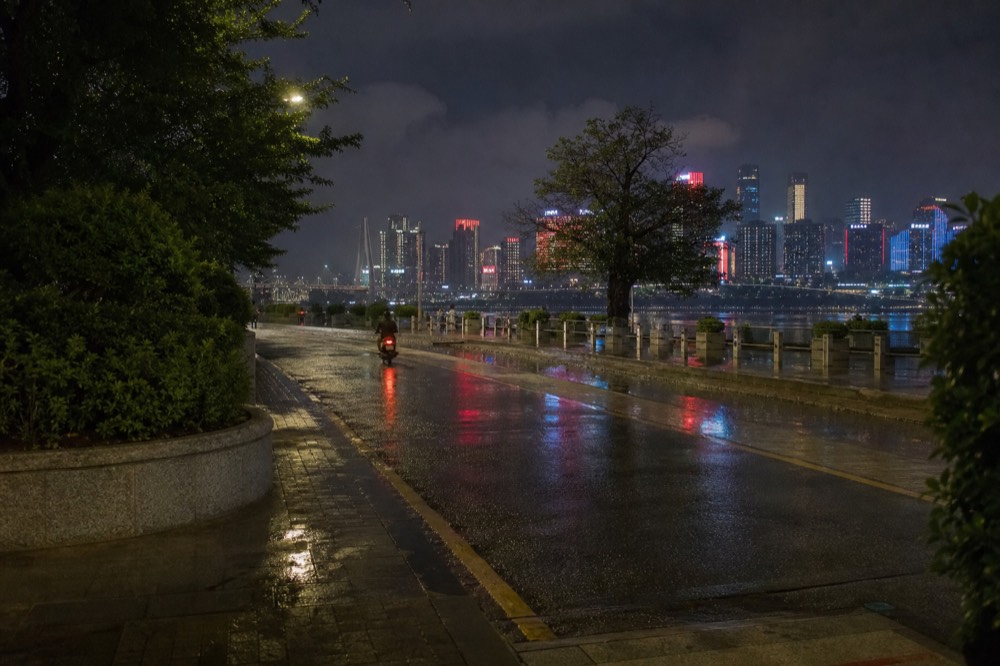
The photo package removes the moving motorcycle from the experience, but its weather arrangements are also unstated. Do not assume it can move under cover or run in rain.
Is There An Age Or Weight Limit?
The video package requires participants to be 18 or over. No passenger weight limit is published. Confirm any individual suitability requirement with the operator before booking.
The operator’s video-package age floor is 18. The photo package states no age limit, but anyone booking for a child should confirm the arrangements with the operator.
The published listing does not answer the weight question. Ask the operator before booking, and get a response you understand; Chinese is the listed service language.
The full listing, Check availability, bundles both packages under one product page, so you can read the inclusions for the photo and video options side by side before you choose. The video package costs about 16 percent more and adds the ride and the edited clip; the photo package gives you the backdrop, the bike and the retouched stills with no moving parts.
What The Law, The Listing And The Road Tell You
The listing describes a pillion ride with a professional rider, a following photographer and a provided helmet. The video option is 18+. Weight suitability, helmet details and wet-weather arrangements need confirmation; the listing alone cannot establish how safe a particular ride will be.
If you want the skyline and posed photos without a motorcycle ride, the photo package uses a parked bike. If you want the video ride, resolve the unanswered suitability and weather questions before deciding.
Common Questions About Pillion Ride Safety In Chongqing
Does Chinese law require a helmet for a motorcycle passenger?
Yes. Article 51 of the Road Traffic Safety Law requires both the rider and the passenger to wear a safety helmet whenever the motorcycle is in motion. The shoot operator provides a helmet, though the exact type is not specified.
Is there a minimum age for the pillion ride?
The video package requires participants to be 18 or over. The photo package states no age limit; confirm arrangements directly before booking for a child.
What speed does the ride reach?
The verified package details do not establish a riding-speed range. Ask the operator about the route and riding conditions before booking.
Is there a weight limit for the passenger?
No passenger weight limit is published. Ask the operator to confirm any individual suitability requirement before booking.
What happens if it rains during the session?
The listing does not state a wet-weather policy. Check the cancellation deadline and ask about weather arrangements for your selected booking.
Are the roads in Chongqing more dangerous than in other countries?
No city-level crash rate is published for Chongqing. At the national level, the WHO's modelled road death rate for China is 17.4 per 100,000 population, compared with 14.2 for the United States in the same year. That is a national aggregate and does not describe a specific street or rider.
Choose Your Nanbin Road Session
If a parked-bike shoot is the right fit, check your travel date before planning the evening. It gives you the Nanbin backdrop and retouched stills without a motorcycle ride.
Stationary motorcycle, 15 minutes of posed shooting, all negatives and 9 retouched photos. No ride.
Compare Packages And Refine Your Choice
These packages buy different results. The photo package keeps the bike parked; the video package includes a ride. Clothing and makeup are excluded. The crew confirms the meeting point near Nanbin Road. Service is Chinese; an English-speaking rider is not guaranteed.
Compare Your Quoted Totals
Enter totals for the same number of people in the same currency. The difference buys a different deliverable, not an upgraded version of the same shoot.
Choose your package and date on the booking page; final price and availability are confirmed there.
Check Your No-Ride Photo DateIf a parked-bike shoot is the right fit, check your travel date before planning the evening. It gives you the Nanbin backdrop and retouched stills without a motorcycle ride.
Check Your Nanbin Road Date